
Vitality and Supplement Resources
The world of health supplements can be complex and overwhelming. This library gives you the tools to navigate it with confidence — from reading a product label to researching the benefits of an Indonesian herb. Every entry below provides a factual foundation for your wellness journey.
Start with label literacy. It is the single most useful skill for filtering quality supplements from marketing noise.
Open the archive →Eight guides, grouped by what you actually need to know.
Each guide is self-contained. Read in any order. Start with the topic that matches the decision you are trying to make right now — labels, safety, absorption, local botanicals, brand quality, antioxidants, seasonal timing, or research literacy.
How to Read Supplement Labels
Understanding a supplement facts panel is the first step in quality control. A label tells you what is in the container, in what form, and in what concentration — but only if you know how to parse it.
We walk through the difference between active ingredients and fillers, what standardized extract percentages actually measure, and how to spot proprietary blends that hide the real dose behind a single number. The goal is simple: you should be getting exactly what you pay for, and nothing you do not want in your body.
- →Identify the active compound versus the delivery medium (capsule, oil, binder).
- →Read standardized extract percentages — 95% curcuminoids means something specific.
- →Flag proprietary blends: if ingredients are grouped under one weight, you cannot verify the dose.
- →Check the form of the nutrient — magnesium oxide and magnesium glycinate behave differently.
A supplement facts panel is the first place to look — before the marketing copy on the front.
Ingredient Safety Database
Safety is our top priority. This database covers recommended daily allowances for vitamins, upper limits for common botanical extracts, and known interactions between herbs that are frequently combined. Use it before you stack two products together.
Vitamins and minerals
Look up recommended daily allowances for common vitamins and minerals. Fat-soluble vitamins (A, D, E, K) can accumulate, so doses matter more than with water-soluble ones.
- Water-solubleB, C
- Fat-solubleA, D, E, K
- Minerals to watchIron, Zinc, Selenium
Herbal extract ceilings
Many botanicals have a safe upper limit even when they are natural. We document the commonly cited ceilings for popular Indonesian herbs so you know when more is not better.
- CurcumaFollow label
- GingerFollow label
- GinsengCycle use
Herb-to-herb notes
Some herbs amplify each other; others compete for absorption. We flag the common pairings to watch when combining products from different brands.
- StackingCheck overlap
- AbsorptionTiming matters
- Food pairingFat vs. water
Always follow the dosage printed on the label of the product you hold. These notes are a cross-reference, not a substitute for the manufacturer's guidance.
The Science of Bio-availability
Not all nutrients are absorbed with the same efficiency. A high number on a label means nothing if your body cannot actually use it.
We explain the difference between synthetic and food-based vitamins, and how certain formulations — like liposomal delivery, where the nutrient is wrapped in a lipid layer — can meaningfully improve absorption. This resource helps you choose products the body can actually use, not just products that look impressive on paper.
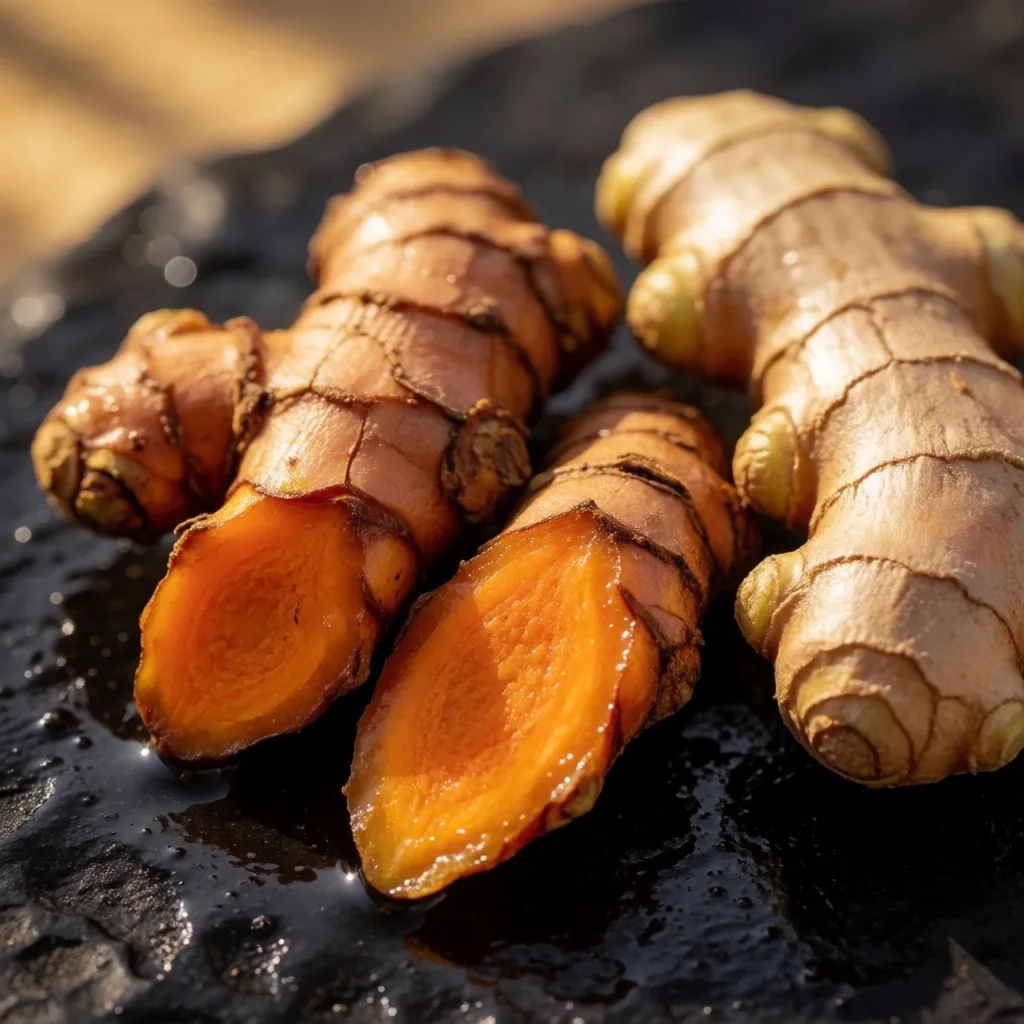
Guide to Indonesian Botanicals
Indonesia is home to some of the world's most potent natural wellness ingredients. Our deep-dives cover local flora — Curcuma, Ginger, and other regional roots — explaining their historical use and what modern research says about their benefits for male health.
We treat this as a celebration of local heritage, grounded in science. Each profile covers where the plant grows, how it has been traditionally prepared, and what current nutritional understanding says about the active compounds. We separate what the plant contains from what the body can absorb, and we are honest about where research is still developing.
Identifying Quality Brands
We provide a working checklist for evaluating a supplement brand's credibility. Follow it and you can filter out products that contain contaminants, inaccurate ingredient levels, or nothing useful at all.
Third-party testing
A credible brand makes test results available — either on the label, on their site, or on request. If you cannot verify, treat the claims as unverified.
Transparent sourcing
Where do the ingredients come from? A brand that names its growing region or supplier partners is easier to trust than one that hides behind a generic "proprietary blend."
Clear manufacturing standards
Look for stated standards — facility registration, allergen handling, and batch tracking. Vague language about "quality" without specifics is a warning sign.
Honest labeling
If the front of the bottle makes sweeping promises the back panel cannot support, walk away. The best brands let the facts panel do the talking.
Understanding Antioxidant Scores
You may have heard of ORAC scores or other measures of antioxidant power. These numbers attempt to quantify how well a substance neutralizes free radicals in a lab setting.
We break down what these metrics actually measure, where they fall short, and which natural sources — berries, roots, leafy greens — provide the most reliable protection against oxidative stress. The goal is to help you prioritize which supplements and foods to include for cellular protection, without over-relying on a single number.
A high ORAC value in a test tube does not automatically translate to the same effect in the body. Bio-availability still governs the outcome.
Seasonal Wellness Planning
Nutritional needs can change with the seasons, even in a tropical climate. Humidity, rainfall, and temperature shifts all affect how your body uses nutrients.
We provide guidance on adjusting your supplement intake during the rainy season to support immunity, or during periods of high heat to maintain electrolyte balance. This proactive approach keeps you ahead of environmental stressors rather than reacting to them after the fact.
Adjusting one or two nutrients is usually enough. A full routine overhaul every season is rarely necessary.
Research Literacy for Men
We want our readers to be able to evaluate health claims themselves. This guide is a basic primer on reading wellness news and distinguishing between a small pilot study and a large-scale meta-analysis.
Empowering you with information is the best way to ensure long-term wellness success. When you can tell the difference between a single observation and a replicated finding, you stop being swayed by every headline.
Questions we hear often.
Are natural supplements safe to take every day?
Most vitamins and herbal extracts are designed for daily use, but it is important to follow the recommended dosages on the label. Some fat-soluble vitamins can accumulate in the body, so periodic breaks or dosage adjustments may be beneficial. If you are unsure, start with the lowest recommended dose and observe.
How long does it take to see results from a natural wellness routine?
Natural nutrients work gradually to support the body's functions. Most men notice improvements in energy and focus within two to four weeks of consistent use, though long-term benefits like bone and heart wellness take longer to manifest. Consistency matters more than intensity.
These answers are general guidance. Supplements are intended to support wellness, not to replace a balanced diet or professional advice. If you have a specific concern, reach out and we will point you toward the right resource.
Essential Vitamins
A companion guide covering the core vitamins men should understand — what each one does and where to get it.
Open guide →Natural Energy Guide
How to support steady daily energy through food, rest, and the right supplements — without stimulants or crashes.
Open guide →Holistic Lifestyle
How supplementation fits into a wider picture — movement, sleep, and the daily patterns that shape long-term wellness.
Open guide →Still have a question about an ingredient or a label?
Write to us. We answer questions about supplement safety and ingredient sourcing directly — no marketing copy, just the information you asked for.
Jl. Margonda Raya No. 45, Depok, Jawa Barat, 16424
+62 21 7726 6307